Best Time to Paint a House Exterior in Northeast PA
Introduction
If you want the short answer: the best time to paint a house exterior in Pennsylvania is generally from late May through early October, with late spring and early fall producing the most reliable results. Those stretches offer steady temperatures, moderate humidity and long enough dry windows for each coat to cure properly.
The longer answer matters more, because exterior paint fails for weather reasons far more often than product reasons. A quality coating applied in the wrong conditions can peel or blister within a couple of seasons, while an average coating applied in good conditions can hold up for years.
Here is how homeowners across Old Forge, Scranton and the surrounding counties can think about timing.
Quick summary
- The best general window is late May through early October
- Late spring and early fall produce the most reliable results
- Surface temperature matters more than air temperature
- The overnight low counts too, because paint continues curing after dark
- In summer, follow the shade around the house instead of painting in blazing sun
- Early fall is often the sweet spot, with daylight as the constraint
- Surfaces need to dry thoroughly after pressure washing
- Exposed bare wood, opened caulk joints and active peeling should not wait another season
Why Weather Decides the Outcome
Modern exterior paints are waterborne acrylics. They dry in two stages: water evaporates, then the resin particles fuse into a continuous film. That second stage, called coalescence, is where temperature and moisture make or break the job.
If the surface is too cold, the resins never fuse completely, leaving a soft film that chalks or peels early. If it is too hot or in direct sun, the surface skins over before the layer beneath has released its moisture, which traps solvents and causes blistering.
The Temperature Window
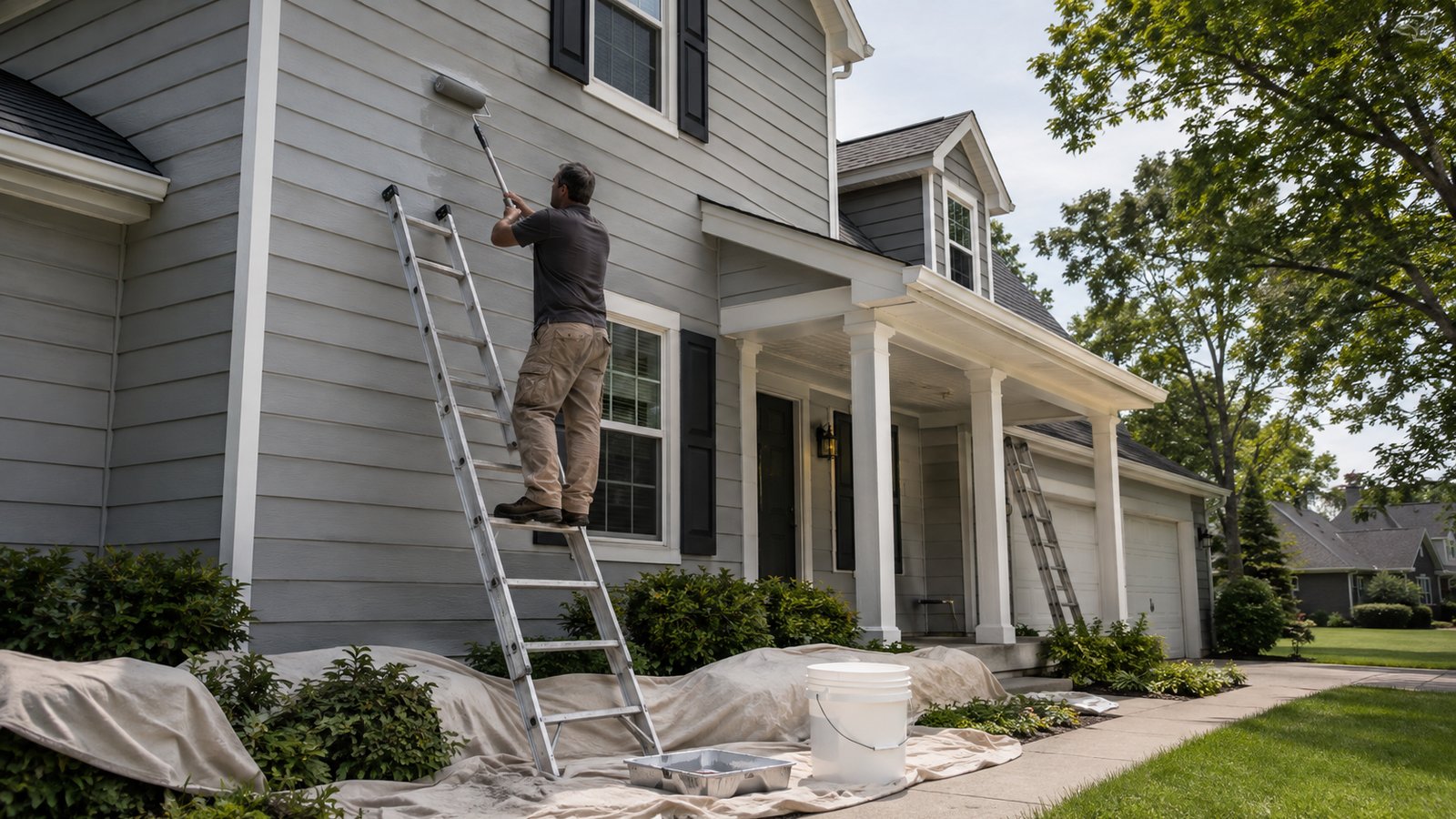
Most exterior acrylic latex products are formulated for application above roughly 50 degrees Fahrenheit, and several newer lines are rated for lower application temperatures. The number on the label is not optional guidance, so always check the manufacturer's technical data sheet for the specific product being used.
Two details homeowners often miss:
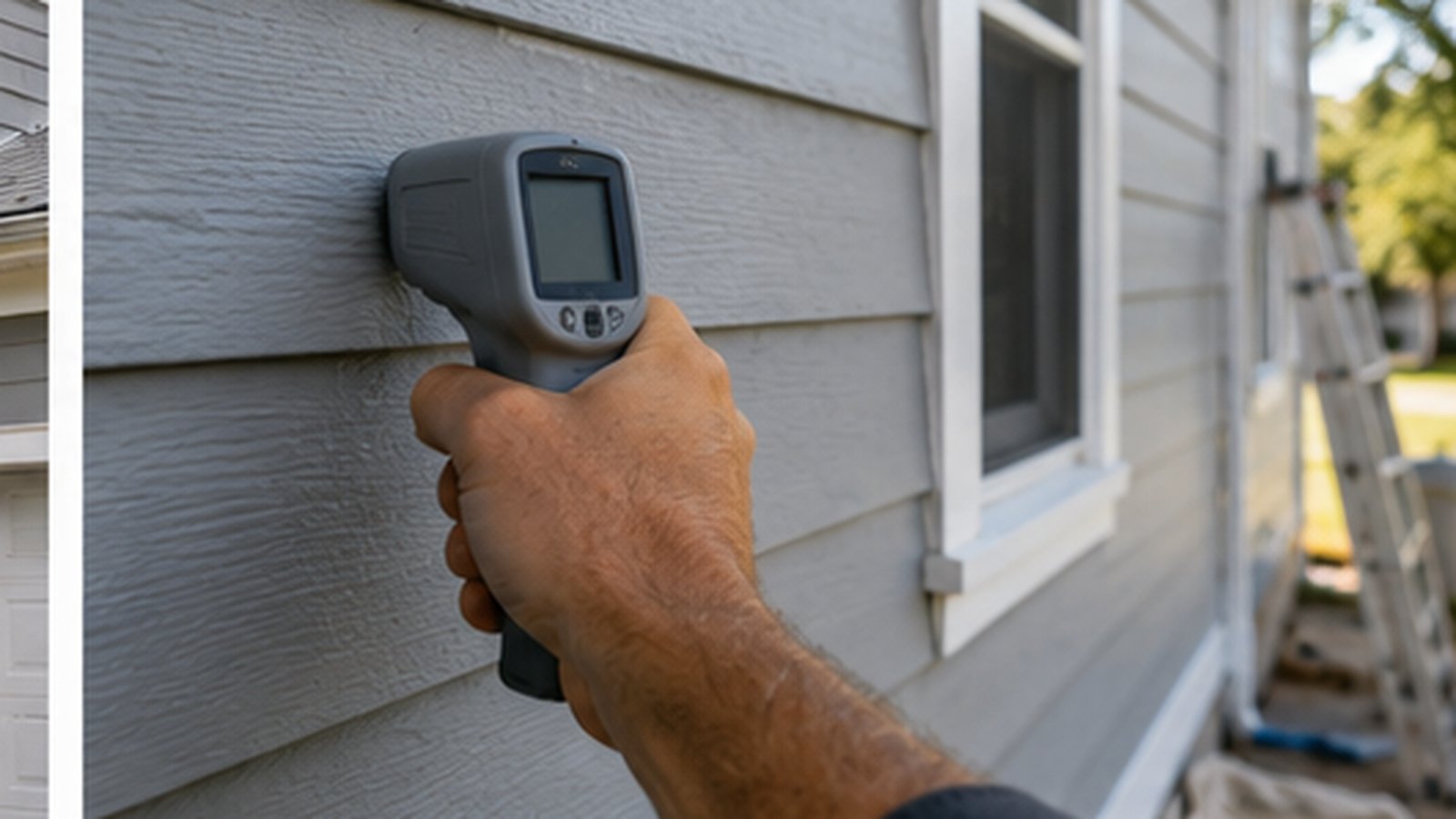
- Surface temperature matters more than air temperature. A north-facing shaded wall can be 10 to 15 degrees colder than the reading on your phone.
- The overnight low counts too. Paint continues curing after dark. If temperatures drop near freezing that night, a fresh coat can be permanently compromised.
Humidity and Dew Point
Late-summer humidity in the Lackawanna Valley slows drying considerably. When the air is saturated, moisture leaves the film slowly and recoat times stretch out.
Dew is the bigger risk in fall. When the evening temperature falls to within a few degrees of the dew point, moisture condenses on freshly painted siding and can leave surfactant streaking, those brown, soapy-looking runs that show up the morning after.
Season by Season in Northeast Pennsylvania
Spring (Mid-May to June)
Once the freeze-thaw cycle ends, spring is a strong window. Temperatures are moderate, days are getting longer and surfaces have had time to dry out after snowmelt.
Watch for two things: persistent spring rain, which pushes schedules around, and heavy tree pollen, which can settle into wet paint. A good crew simply adjusts the sequence and works the sheltered elevations on unsettled days.
Summer (July to August)
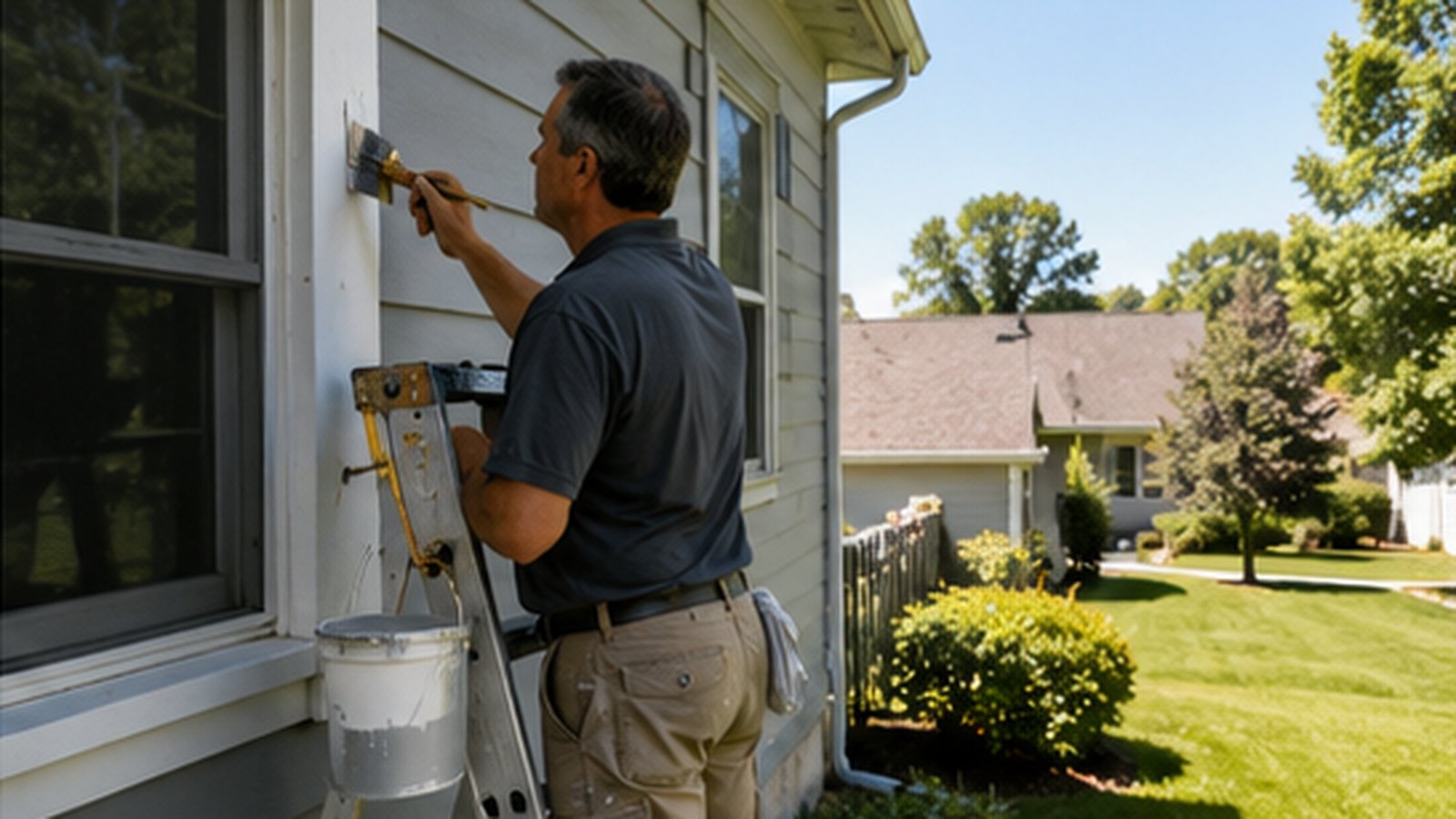
Summer offers the most working days, but midday sun is the enemy. Painting a wall in direct sunlight at peak heat forces the coating to flash-dry, which shows up as lap marks and poor adhesion.
The fix is scheduling by elevation, following the shade around the house so no surface is painted in blazing sun. That is standard practice for experienced exterior painting crews and one reason summer projects still turn out well.
Early Fall (September to Mid-October)
For many Northeast PA homes, this is the sweet spot. Humidity drops, the sun is less punishing and daytime temperatures stay comfortably in range.
The constraint is daylight. Work has to stop early enough that the final coat sets before evening dew, which means shorter productive days as the season goes on.
Late Fall and Winter
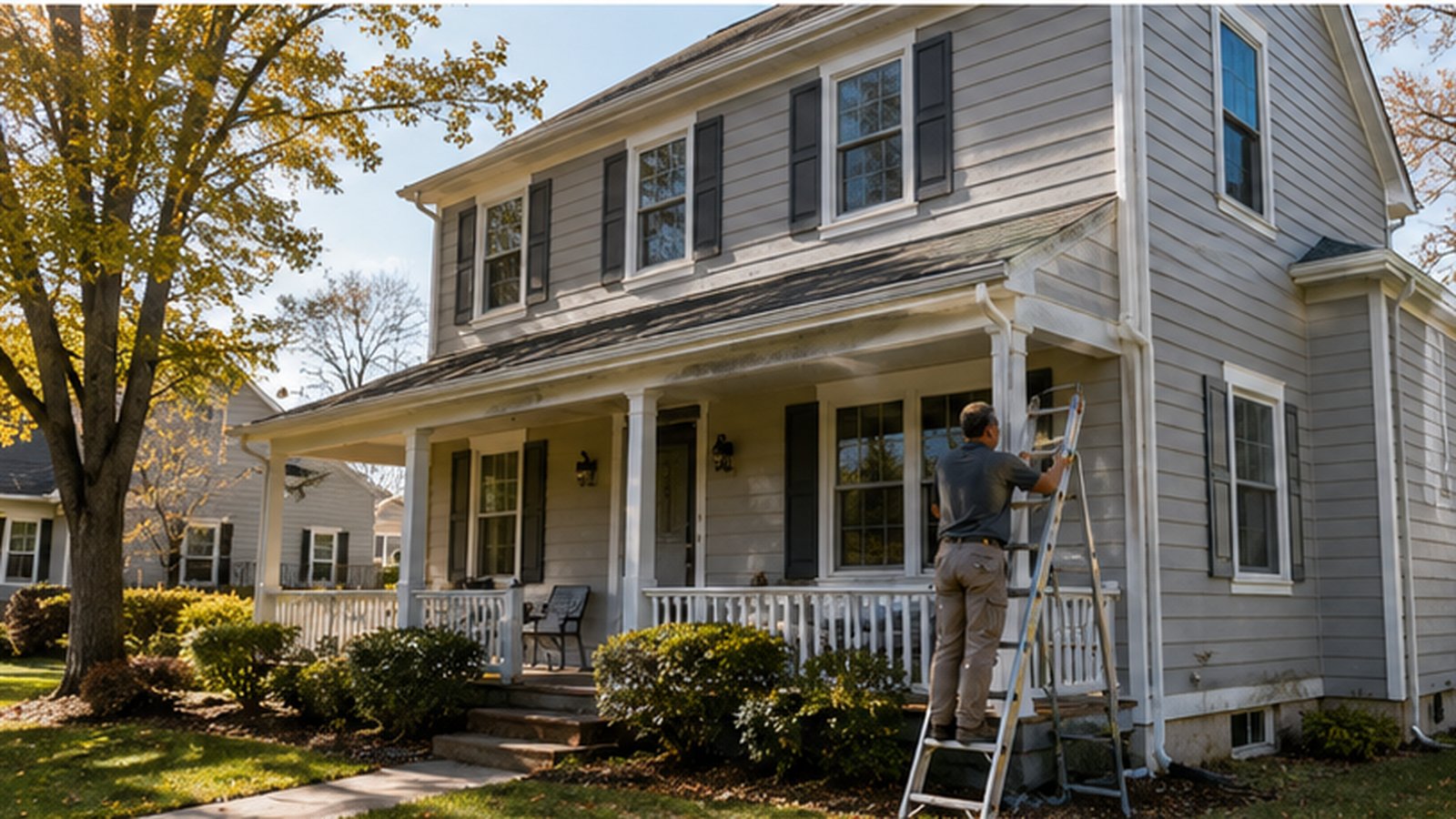
Once overnight lows sit near or below freezing, general exterior repainting should wait. Some low-temperature products extend the season by a few weeks, but the margin for error narrows and the window each day gets very small.
Winter is better spent on interior painting or cabinet refinishing, then scheduling the exterior for spring.
How to Plan Your Project
- Book earlier than you think you need to. Reputable painters fill their prime-weather calendar well before it arrives, and rain days push everything back.
- Handle repairs first. Rotted trim, failed caulk, loose siding and gutter issues should be corrected before any coating goes on.
- Allow drying time after washing. Surfaces need to dry thoroughly after pressure washing, typically at least a day and longer for porous wood or after a damp stretch.
- Build in buffer days. A realistic schedule assumes a few lost days to weather rather than promising an exact finish date.
- Prioritize the worst elevations. South and west walls take the most UV and usually fail first, so they come first if the season gets tight.
When You Shouldn't Wait for Perfect Weather
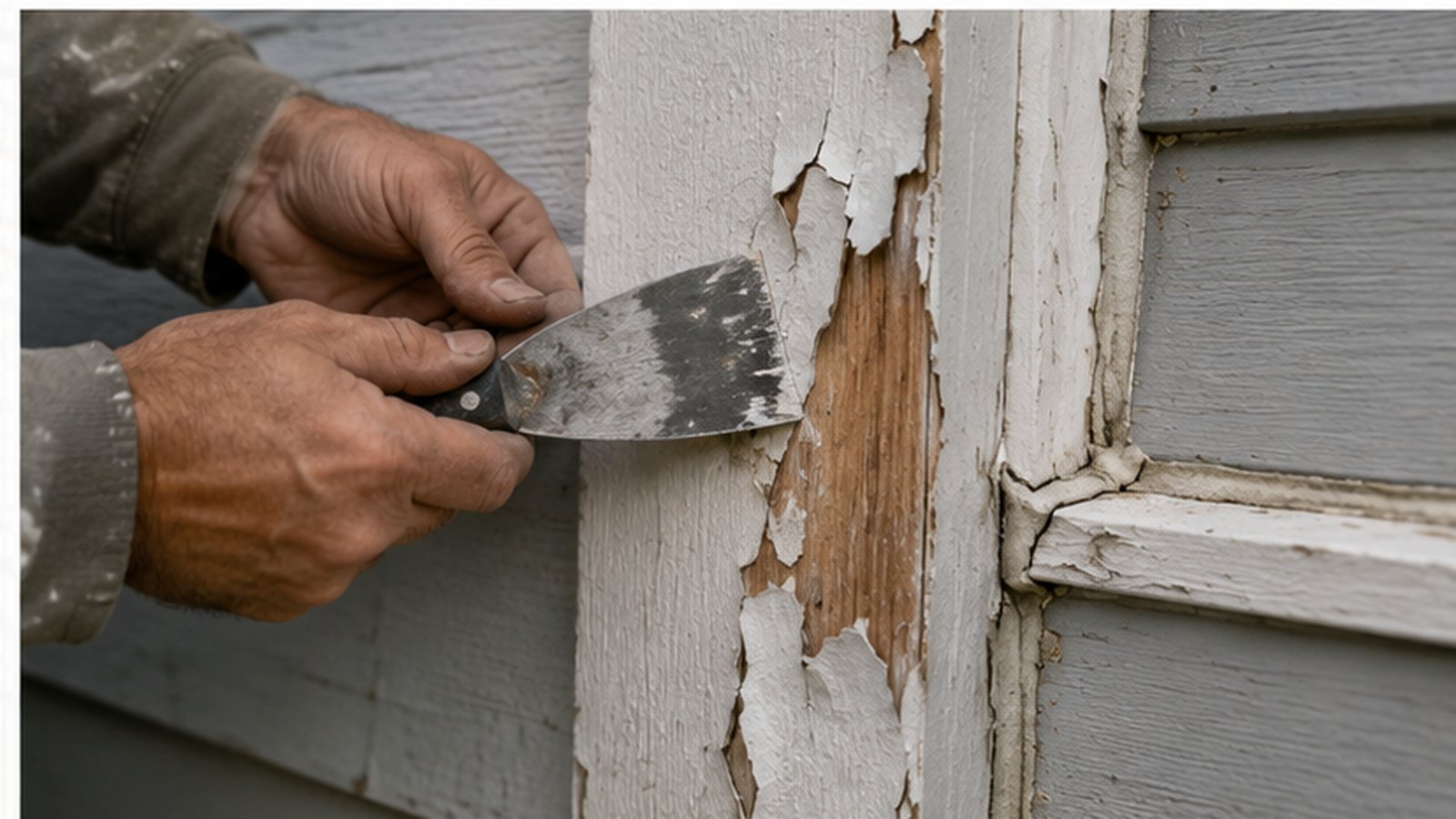
Timing is about quality, not delay for its own sake. If bare wood is exposed, caulk joints have opened or paint is actively peeling, waiting another season lets water into the substrate. Water damage costs far more to repair than repainting.
In those cases, the right move is to get the surface protected during the next workable window rather than holding out for an ideal week. It also helps to understand how long exterior paint lasts in Pennsylvania weather so you can judge what is normal wear and what is early failure.
The Bottom Line
The best time to paint a house exterior in Pennsylvania is the stretch between late spring and early fall, when temperatures stay in range day and night and humidity is manageable. Early fall often edges out midsummer for finish quality, and mid-May through June is a close second.
More important than the calendar is how the work is sequenced around actual daily conditions, including surface temperature, sun exposure and dew point, which is where professional judgment pays for itself.
"Weather does not just affect how a paint job looks on day one. It decides how many seasons that finish survives."
Advanced Painting Professionals
Advanced Painting Professionals provides exterior painting throughout Old Forge, Scranton and the surrounding Northeast Pennsylvania counties, and we plan each project around the conditions your home actually faces. Call (570) 290-8471 or request a quote at advancedpaintingprofessionals.com to reserve a spot in the upcoming painting season.
Need help with your painting project?
We plan each project around the conditions your home actually faces.
Frequently Asked Questions
Can exterior painting continue if rain is forecast for the next day?
It depends on the product and how much time it has to set. Many acrylics resist light rain after a few hours in good drying conditions, but a soaking storm on a fresh coat can wash out the finish. Crews typically stop early when heavy rain is expected.
How long should siding dry after pressure washing before painting?
Usually at least 24 hours in warm, breezy weather, and longer for bare or weathered wood, shaded elevations or humid stretches. A moisture meter is the accurate way to confirm.
Should trim, doors and siding all be painted in the same visit?
It is more efficient and gives a more consistent result, since everything is prepped and coated under similar conditions. Trim can be done separately if only that portion has failed.
Does a dark exterior color change the ideal painting season?
It can. Dark colors absorb far more heat, so a dark wall in direct summer sun may exceed the recommended application temperature even when the air feels comfortable. Those elevations are best painted in the shade or in cooler months.
Advanced Painting Professionals
Reserve a spot in the upcoming painting season
We plan each project around the conditions your home actually faces, including surface temperature, sun exposure and dew point.
Exterior painting throughout Old Forge, Scranton and the surrounding Northeast Pennsylvania counties.
