
12 Common Interior Painting Mistakes and How to Avoid Them |
Avoid costly interior painting mistakes. Learn expert tips to prevent streaks, peeling, and uneven coats for a smooth, professional finish every time.
Painting the interior of your home is the fastest way to breathe new life into your space.
It’s exciting to flip through color swatches and imagine your living room in new paint. However, many homeowners dive in headfirst only to realize that a "simple" DIY paint project is much harder than it looks.
We have seen countless home interiors where a great vision turned into a messy reality. From peeling edges to uneven colors, the difference between a pro job and a mistake-prone DIY is in the details.
If you want your home to look well-painted, you need to know what roadblocks lie ahead. This guide will walk you through the most common interior painting mistakes and show you exactly how to avoid them.
Common Interior Painting Mistakes and How to Avoid Them
Skipping the Prep Work
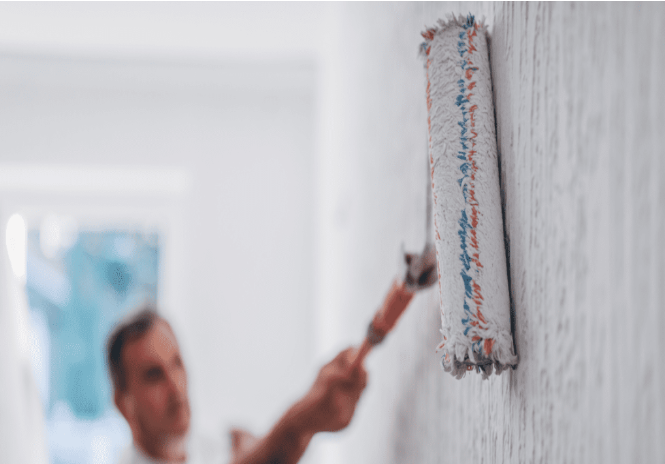
The biggest mistake I see is the "rush to the brush." Most people want to see color on the walls immediately, so they skip cleaning or patching.
If you paint over dust, cobwebs, or oils from your hands, the paint won't stick. It will eventually bubble or flake off, forcing you to start over.
The walls must be washed with a damp cloth and mild soap before you open a paint can. Filling small holes with spackle and sanding them smooth will ensure a smooth surface.
Once your walls are clean and smooth, you have to think about the surfaces you don’t want to paint.
2. Using Cheap or Wrong Tape
Painter’s tape is designed to give you those crisp, straight lines on the ceiling and baseboards. However, using cheap masking tape or applying it incorrectly leads to "bleed-through."
Cheap tape often has weak adhesive that lets wet paint seep underneath. When you pull the tape off, you’re left with a jagged, blurry line that looks sloppy.
We recommend using a quality blue or green painter’s tape. Press the edges down firmly with a putty knife to create a tight seal against the wall.
However, even with the best tape, your results depend heavily on the tools you hold in your hand.
3. Using Low-Quality Brushes and Rollers
It is tempting to grab the cheapest multi-pack of brushes and rollers at the hardware store. Unfortunately, cheap paint brushes shed bristles into your wet paint, leaving "hairs" stuck to your wall forever.
Low-quality paint rollers also hold less paint and distribute it unevenly. This leads to a patchy finish that requires more coats than necessary to look decent.
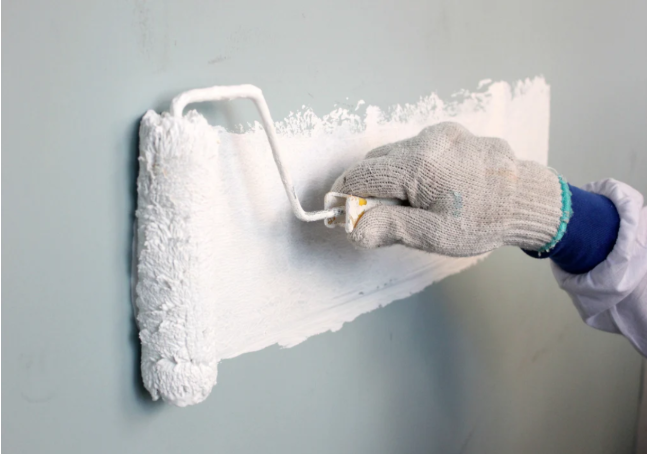
Using a professional synthetic brush and a shed-resistant roller cover makes the work faster. You will notice that the paint goes on smoother and covers better with fewer strokes.
Remember, painting tools work best when paired with the right kind of paint for the specific room.
4. Choosing the Wrong Paint Finish
Picking a color is only half the battle; you also have to choose the right sheen. Using a "Flat" finish in a hallway or a bathroom is a recipe for disaster.
Flat paint absorbs moisture and shows every fingerprint or scuff mark. On the other hand, using a "High Gloss" on a wall with many bumps will make every imperfection stand out like a sore spot.
For most walls, an "Eggshell" or "Satin" finish offers a nice balance of durability and a soft look. Use "Semi-Gloss" for trim and doors because it is easy to wipe clean and resists dings.
If you find the technical side of finishes and prep overwhelming, it’s better to hire an expert interior painting service to handle the hard work for you.
5. Not Testing Colors in Different Light
A color that looks like a soft beige in the store might look like neon yellow in your living room. Lighting changes everything about how we perceive color.
Small 2-inch swatches on a paper card are not enough to make a big decision. Natural sunlight, LED bulbs, and shadows all affect the final look of the paint.
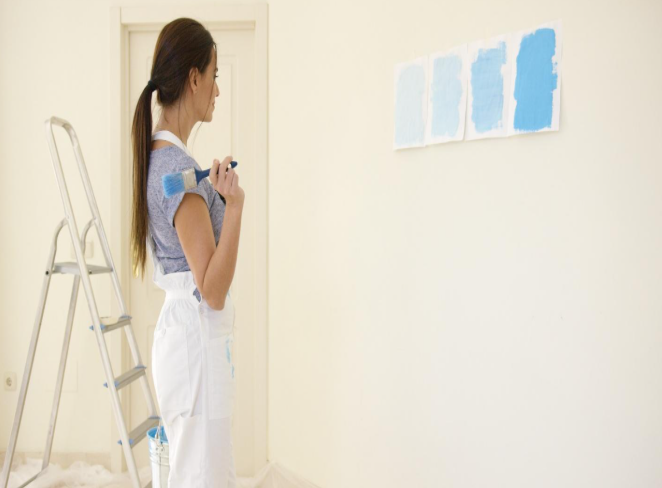
We suggest buying a small sample can and painting a large square on at least two different walls. Watch how the color changes from the morning sun to the evening lamplight before buying gallons.
Once you have the perfect color, you have to make sure it actually sticks to the surface.
6. Forgetting the Primer
Many modern paints claim to be "Paint and Primer in One," but these aren't always a magic fix. If you are painting over a dark color with a light one, you need a dedicated primer.
Primer provides a "key" for the new paint to grip onto. It also seals porous surfaces like new drywall, so the paint doesn't soak in and look dull.
Skipping primer will lead to "flashing," where some spots look shinier or darker than others. Taking the extra time to prime ensures your topcoat looks consistent.
7. Over-Working the Paint
One of the most common mistakes beginners make is going back over paint that has already started to dry. This is known as "working a dry edge."
When you brush over paint that is partially set, you pull the pigment and create visible brush marks. It ruins the smooth "leveling" that happens as paint dries naturally.
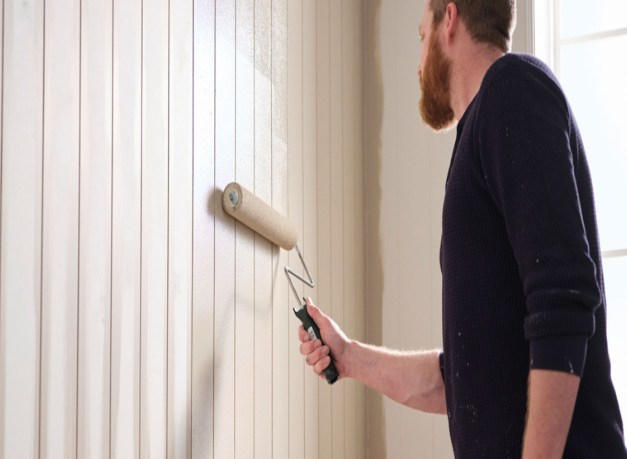
Work in small sections and always move from a wet area into a dry area. Once a section of the wall is done, leave it alone until it is completely dry before applying a second coat.
Remember, patience while applying paint is important, but you also need to be patient between coats.
8. Not Waiting Long Enough Between Coats
We know you want to finish painting the interior of your home quickly, but applying a second coat too soon is a major mistake. If the first coat isn't dry, the roller will literally peel the paint off the wall.
This creates clumps and a textured, messy look that is very hard to fix later. Most latex paints require at least four hours of drying time before the next layer goes on.
Check the back of your paint can for specific dry times. Humidity and temperature in your home can also make the drying process take longer than expected.
While waiting for the walls to dry, make sure you aren't making a mess of your floors and furniture.
9. Poor Protection of the Work Area
Assuming you won't spill any paint is a dangerous game. One accidental kick of a paint tray can ruin an expensive carpet or hardwood floor.
Using thin plastic drop cloths is also a mistake because they are slippery and can tear easily. Wet paint on plastic stays wet, and you will likely step in it and track it through the house.
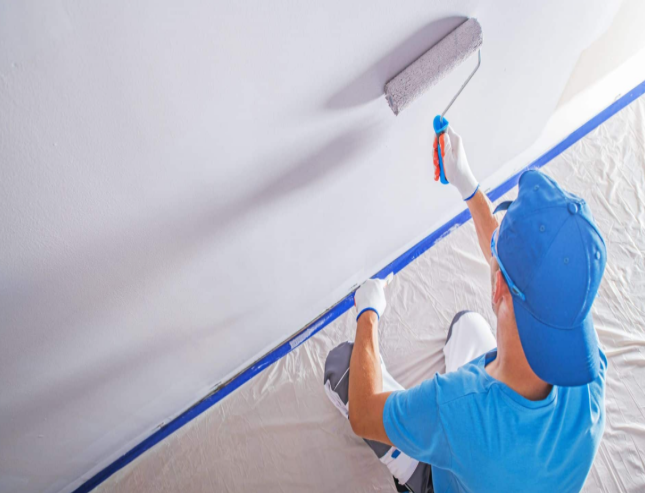
We recommend using heavy-duty canvas drop cloths. They stay in place, absorb small drips, and provide a much safer walking surface while you work.
Even with the floors covered, you still have to be careful with how you handle the paint can itself.
10. Overloading the Brush or Roller
More paint on the roller or brush does not mean faster coverage; it usually just means more drips. If your roller or brush is dripping before it hits the wall, you have too much paint on it.
Overloading leads to "runs" and "sags" on the wall that look like frozen tears. These are incredibly difficult to sand down once they dry.
Only dip your brush about one-third of the way into the paint. Tap it against the side of the bucket to remove the excess rather than wiping it off, which keeps the bristles loaded properly.
Mastering the technique will take time, but avoiding these common interior painting mistakes will help you paint your home interior professionally.
11. Ignoring the Weather and Humidity
If you are painting on a day that is extremely humid or very hot, your paint will behave poorly. High humidity prevents the water in the paint from evaporating, so it stays tacky for days.
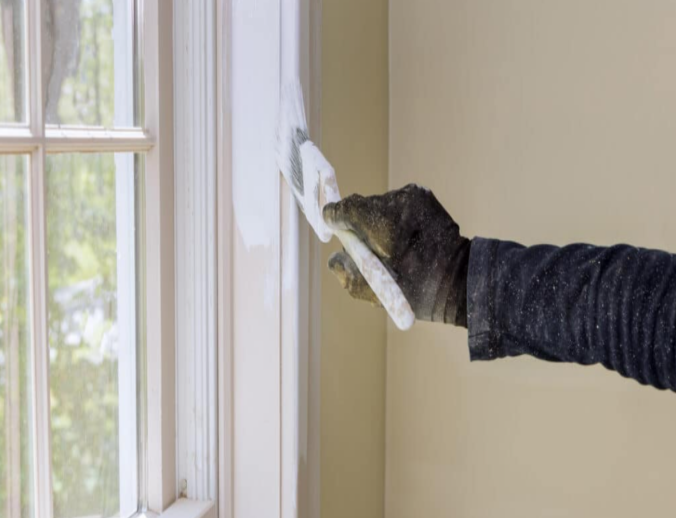
Extreme heat causes the paint to dry too fast, which leads to cracking or visible lap marks. If it’s a rainy day, keep the windows closed and the air conditioning or heat on to control the environment.
Ideally, you want a room temperature between 60 and 80 degrees Fahrenheit for the best results.
Once the environment is right, the final step is knowing how to finish the job correctly.
12. Removing the Tape Too Late
Many people wait until the paint is bone-dry to pull up their painter's tape. This is a mistake because the dry paint forms a film over the tape.
When you pull the tape, it often tears the paint off the wall along with it. This leaves you with the very jagged edges you were trying to avoid in the first place.
The best time to remove tape is when the paint is tack-dry, usually about an hour after your final coat. If the paint is already dry, use a sharp utility knife to gently score the edge of the tape before pulling.
Why Hiring a Professional Painting Service for Interior Painting is Better?
Your home is likely your biggest investment. A bad paint job can actually lower the appeal of your home and make it feel stressful to live in every day.
While DIY can be rewarding, it is a massive time commitment that requires physical labor and a lot of patience. If you want a flawless finish without the headache, hiring experts is the way to go.
At Advanced Painting Professionals, we specialize in interior painting and exterior painting, along with cabinet refinishing.
Our interior painting services are designed to give you a beautiful home interior without you having to pick up a paintbrush or roller.
Frequently Asked Questions (FAQs)
How many coats of paint are usually needed for interior walls?
In most cases, two coats are necessary for a uniform paint. Even if the first coat looks like it covers well, a second coat ensures the color is deep, and the finish is durable.
Can I paint over glossy walls without sanding?
It is not recommended. Paint won't stick well to a shiny surface. You should lightly sand the gloss to "de-gloss" it or use a specialized bonding primer to ensure the new layer stays put.
Why does my paint look streaky after it dries?
Streaks usually happen because of poor technique, like "overworking" the paint or using a low-quality roller. It can also happen if the paint wasn't stirred thoroughly before you started.
How do I get rid of the strong paint smell?
To reduce odors, choose "Low-VOC" or "Zero-VOC" paints. Keeping windows open for cross-ventilation and placing bowls of white vinegar or charcoal around the room also helps absorb the smell.
