6 Signs Your Home Needs a Fresh Coat of Paint
Not sure if your home needs paint? Here are 6 clear signs your home needs a fresh coat of paint to improve its look and protect it from damage.
Your home is likely your biggest investment. We know how much pride you take in keeping it looking its best. However, time and weather are constantly working against your home’s appearance.
Paint does more than just look pretty. It acts as a protective shield against moisture, pests, and sun damage. When that shield fails, your home becomes vulnerable to expensive repairs.
In this guide, I’ll help you spot the warning signs before a small touch-up turns into a full renovation.
So, here are 6 signs that your home needs a fresh coat of paint.
Signs Your Home Needs a Fresh Coat of Paint
You Notice Fading and Discoloration
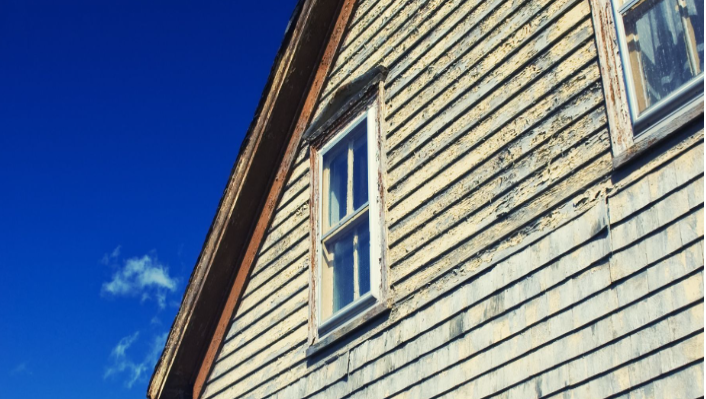
Have you looked at your walls lately and felt like the paint color is "off"?
UV rays from the sun act like a bleach on your home’s exterior. Over time, vibrant blues turn dusty, and deep reds look washed out.
This isn't just a cosmetic issue that affects your curb appeal. Fading of paint tells you that the chemical bonds in the paint are breaking down.
When these bonds fail, the paint can no longer reflect heat or resist water as well as it used to. This leaves your siding vulnerable to the elements.
If one side of your house looks years older than the other, it is a clear sign of uneven wear. That’s when you need to hire a professional exterior painting service to get the paint job done.
A fresh coat of quality paint will add a layer of defense that keeps your siding from warping or cracking under the sun.
Also, it will bring back that "new home" feeling immediately while keeping your home maintenance costs low for years to come.
The "Chalking" Effect
Run your hand across your siding or an old interior wall. Do you see a white, powdery residue on your skin?
We call this "chalking," and it is a major red flag for any homeowner.
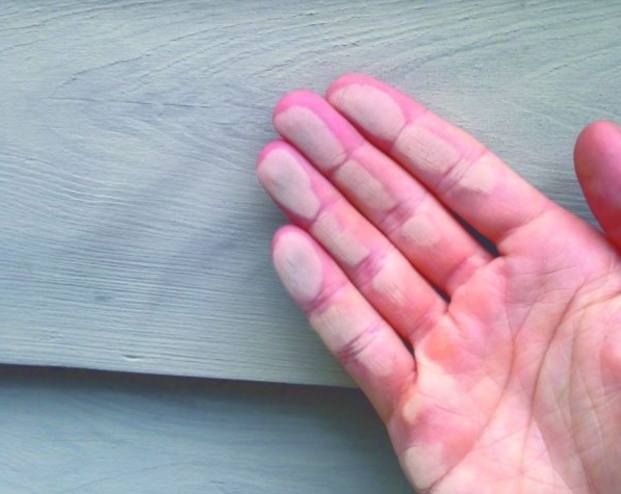
Chalking happens when the paint binders disintegrate due to long-term weather exposure. This powder is actually the pigment of your paint shedding away because it has nothing left to hold it in place.
It is a sign that the paint has reached the end of its life cycle. If you don't address chalking, the next layer of paint won't stick properly to the surface.
It requires a deep clean and a specialized primer to fix the surface before any color goes on.
We always tell our clients that painting over chalk is like trying to tape something to a pile of dust. It simply won't hold.
Peeling, Bubbling, or Flaking
This is perhaps the most obvious sign of all, and it requires your immediate attention.
When paint begins to peel or bubble, it means the bond between the paint and the surface has snapped.
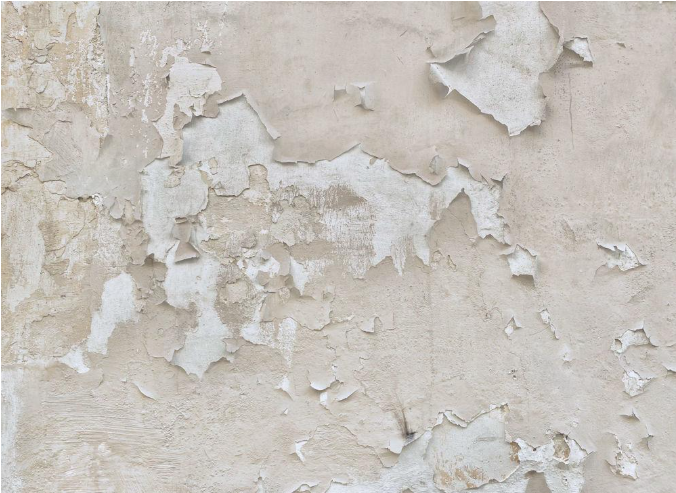
Bubbles usually indicate that moisture is trapped underneath the paint layer. This is common in areas with high humidity or after a particularly wet season.
If you ignore these paint bubbles, they will eventually pop and lead to unsightly flaking and peeling.
Once the paint flakes off, your wood, masonry, or drywall is completely exposed to the elements. This is exactly how wood rot and mold growth start to take hold of your structure.
We have seen small peeling spots turn into thousands of dollars in siding repairs in just one winter.
Stopping moisture damage early is much cheaper than replacing rotted wood or dealing with structural integrity issues.
Gaps and Cracked Caulking
Take a close look at the areas around your windows, doors, and corner boards. Do you see small cracks or missing chunks in the sealant?
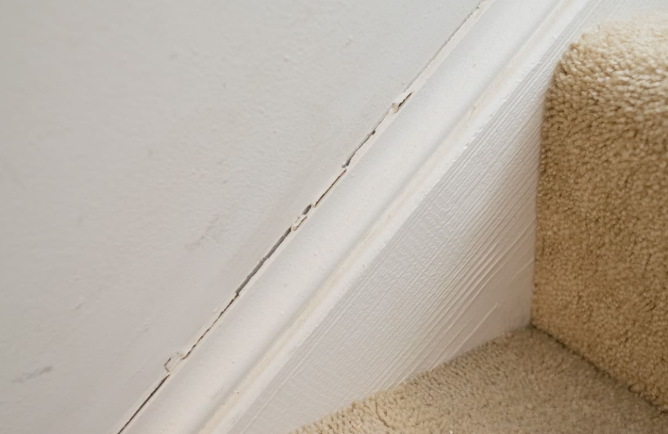
Caulking is designed to expand and contract with your home, but it eventually becomes brittle and fails.
When caulk fails, it lets in drafts, insects, and moisture. This drives up your energy bills and creates a breeding ground for mildew inside your walls.
It is a silent problem that often goes unnoticed until it is too late.
That’s why, for a paint job, you need a professional painting service company that ensures these gaps are filled with high-grade sealant first.
It is a critical step that many DIY homeowners skip because it is tedious work. However, this step is what actually "weatherproofs" your home.
Properly sealed gaps prevent moisture from seeping into your insulation and drywall. This prep work is the foundation of a paint job that lasts for a decade instead of just a few seasons.
Persistent Stains and Mold
Sometimes, a stain is more than just a spilled drink or a muddy footprint from the dog. If you see dark spots on your ceiling or baseboards, you might have a moisture or ventilation issue.
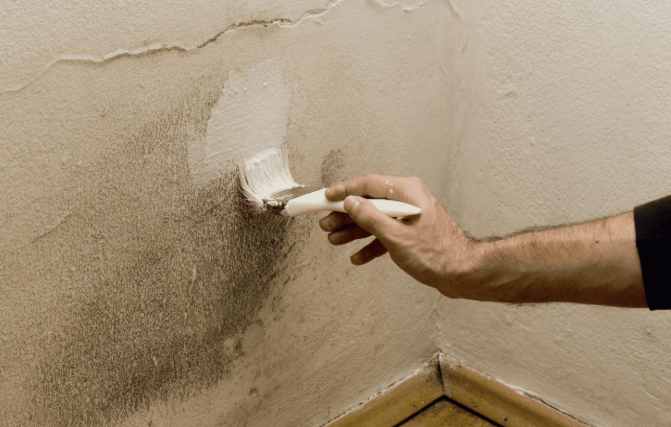
Mildew and mold love to grow in damp areas like bathrooms, basements, and kitchens. Even if you scrub them away with bleach, they often return if the paint is old and porous.
Older paint loses its antimicrobial properties and begins to absorb moisture rather than repelling it. Applying a fresh coat of paint will stop these fungi in their tracks and improve your indoor air quality.
That’s why you need to choose an interior painting service that uses the right finishes for high-humidity rooms to ensure a lasting clean.
Cleaning the walls of your home is a temporary fix, but new paint is the permanent solution for a healthier home. It creates a wipeable surface that makes everyday messes much easier to manage.
The Colors Look Dated
Sometimes the paint isn't "failing" in a technical sense, but it is failing your home's aesthetic value.
If your walls are still rocking "millennial gray" or 90s beige, it might be time for a change. Color trends change every few years, and a home with outdated paint feels heavy or uninspiring to live in.
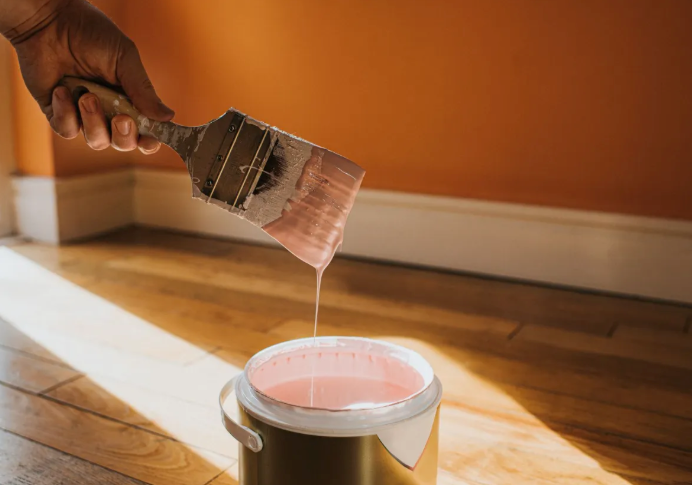
A dated home is also much harder to sell because buyers struggle to see past the old styles. You want your home to reflect your personality and modern design standards.
We have seen how a simple color shift can make a small, dark room feel twice as large and bright.
Getting a paint job done is the most cost-effective way to remodel your home without the mess of tearing down walls or replacing cabinets.
Whether you want a calming blue for the bedroom or a crisp white for the kitchen, new paint changes the entire "vibe" of your home.
It is an investment in your daily happiness and the pride you feel when walking through your front door.
Frequently Asked Questions (FAQs)
Is fading paint just an aesthetic issue or does it mean something more?
Fading is often the first sign that the paint’s protective seal is breaking down.
Paint isn’t just for color; it’s a barrier against UV rays, moisture, and pests.
Once the pigment fades significantly, the binder usually weakens, which leads to water intrusion and wood rot if left untreated.
Can I paint over bubbling or cracking paint?
No. Painting over damaged paint is a recipe for failure. The new layer of paint will only be as strong as the one beneath it.
If you don't scrape, sand, and prime the areas where the paint is bubbling, the new coat will peel off within a year.
How often should I repaint my home’s exterior?
While it depends on your climate and the material of your siding, most painting experts recommend repainting your home’s exterior every 5 to 10 years.
How often should I repaint my home’s interior?
Interior paint typically lasts 3 to 7 years. Most used parts of the home, like kitchens and hallways, need a repaint every 3 years due to wear. Living rooms and bedrooms often last 5 to 7 years, depending on sunlight exposure and lifestyle.
