
How to Prepare Your Home for Interior Painters
Introduction
The fastest way to keep an interior painting project on schedule is to have the rooms ready before the crew walks in. Most of what needs doing takes an evening or two, and it directly reduces the hours spent moving and covering things instead of painting.
Here is exactly how to prepare for interior painting, what your painters will handle, and the handful of conversations worth having before the first drop cloth comes out.
Quick summary
- Confirm which rooms, surfaces, access and daily schedule are included before work begins
- Take down artwork, mirrors, curtains, rods and anything mounted with brackets
- Leave nail holes alone, because your painters fill and sand them as part of standard prep
- Clear small, fragile and valuable items, and empty bookshelves and in-scope closets
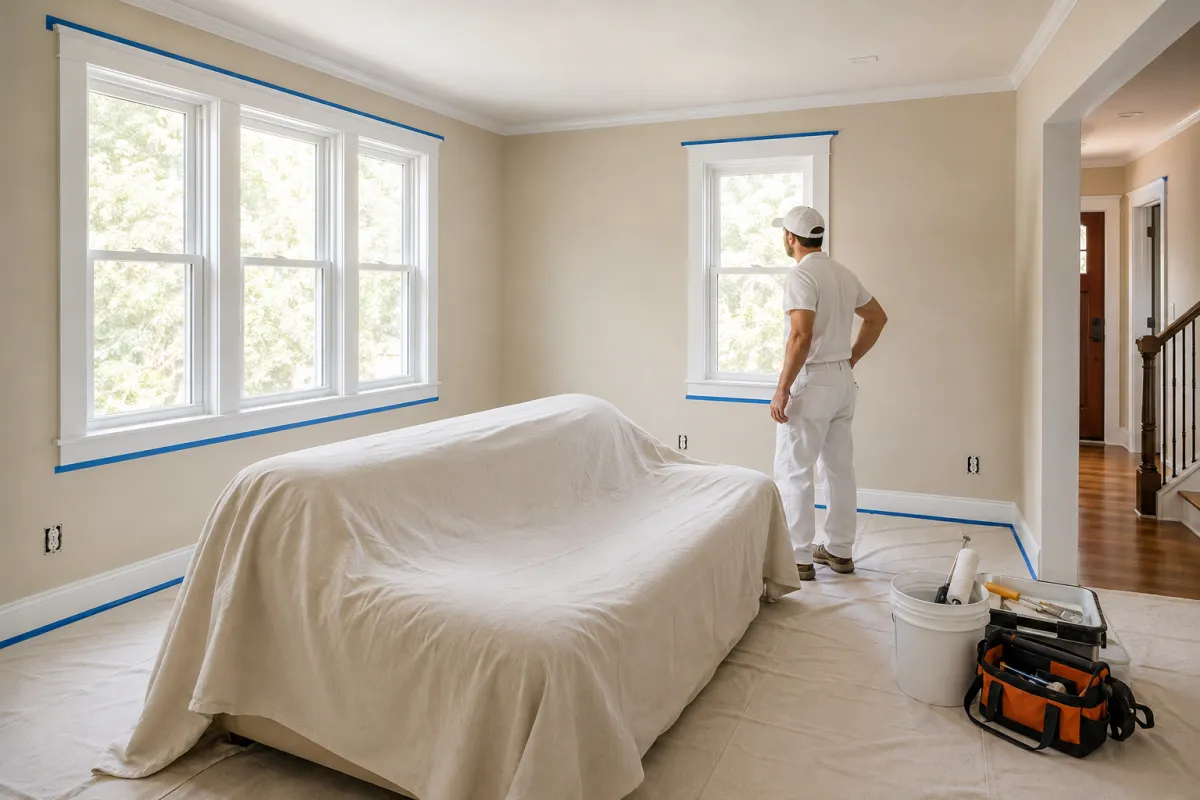
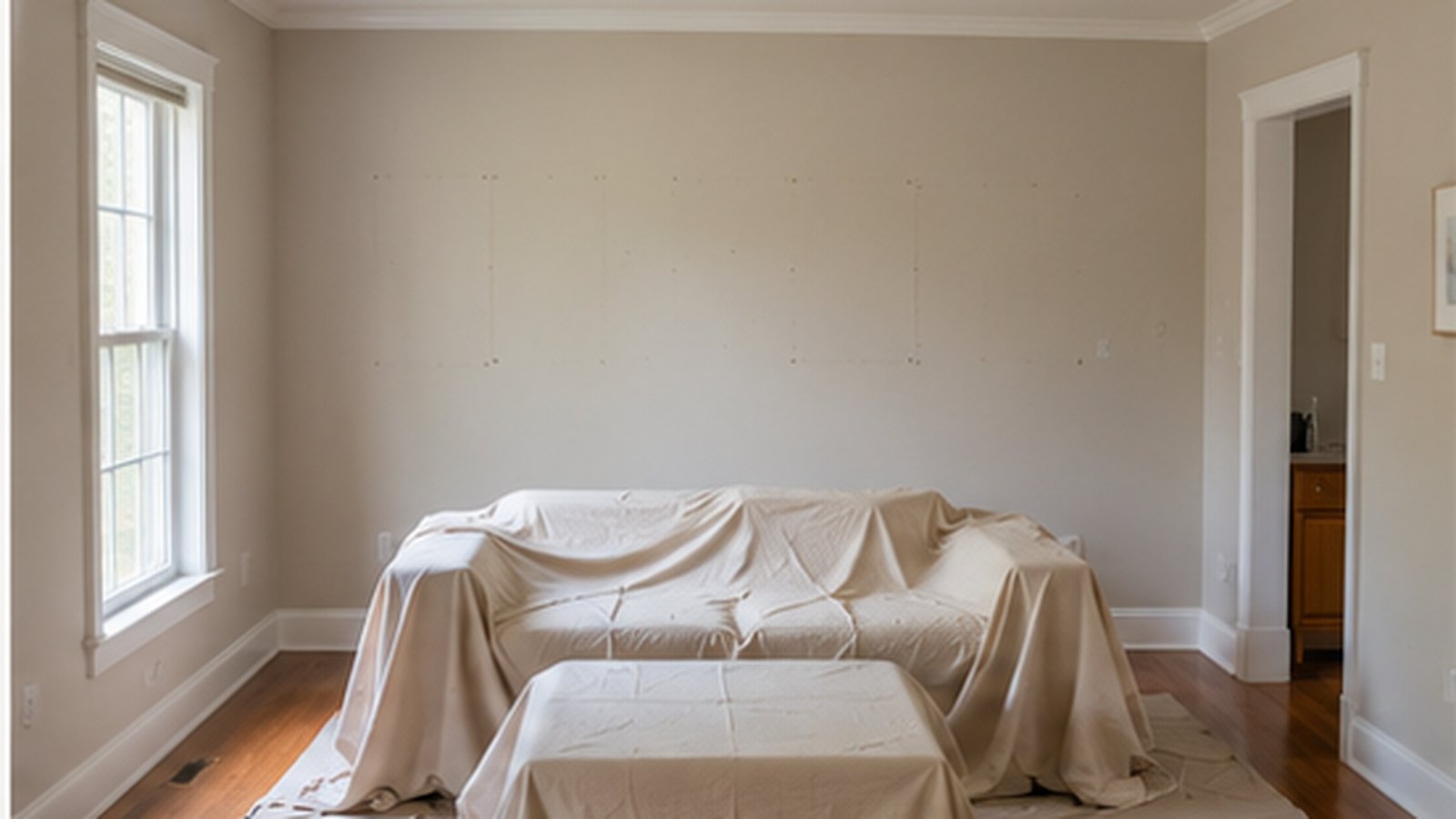
- Large furniture can usually stay, moved to the center of the room and covered
- Vacuum floors and clear a walking path from the entry to the work area
- Plan for pets to be closed off in a separate room or out of the house on work days
- Point out stains, cracks, bubbling and previous repairs before painting starts
Start With a Quick Conversation
Before prep begins, confirm a few practical points with your contractor:
- Which rooms and surfaces are included, including closets and ceilings
- What time the crew arrives and how long they expect to be there each day
- Which entrance they should use and where they can park
- Whether you need to be home, and how they will secure the house if you are not
- Where they can set up a cutting and staging area
Getting these settled prevents most day-one friction.
What to Do in Each Room
Clear the Walls
Take down everything hanging: artwork, mirrors, shelves, clocks, curtains and curtain rods, and anything mounted with brackets. Store the hardware in labeled bags so rehanging is easy.
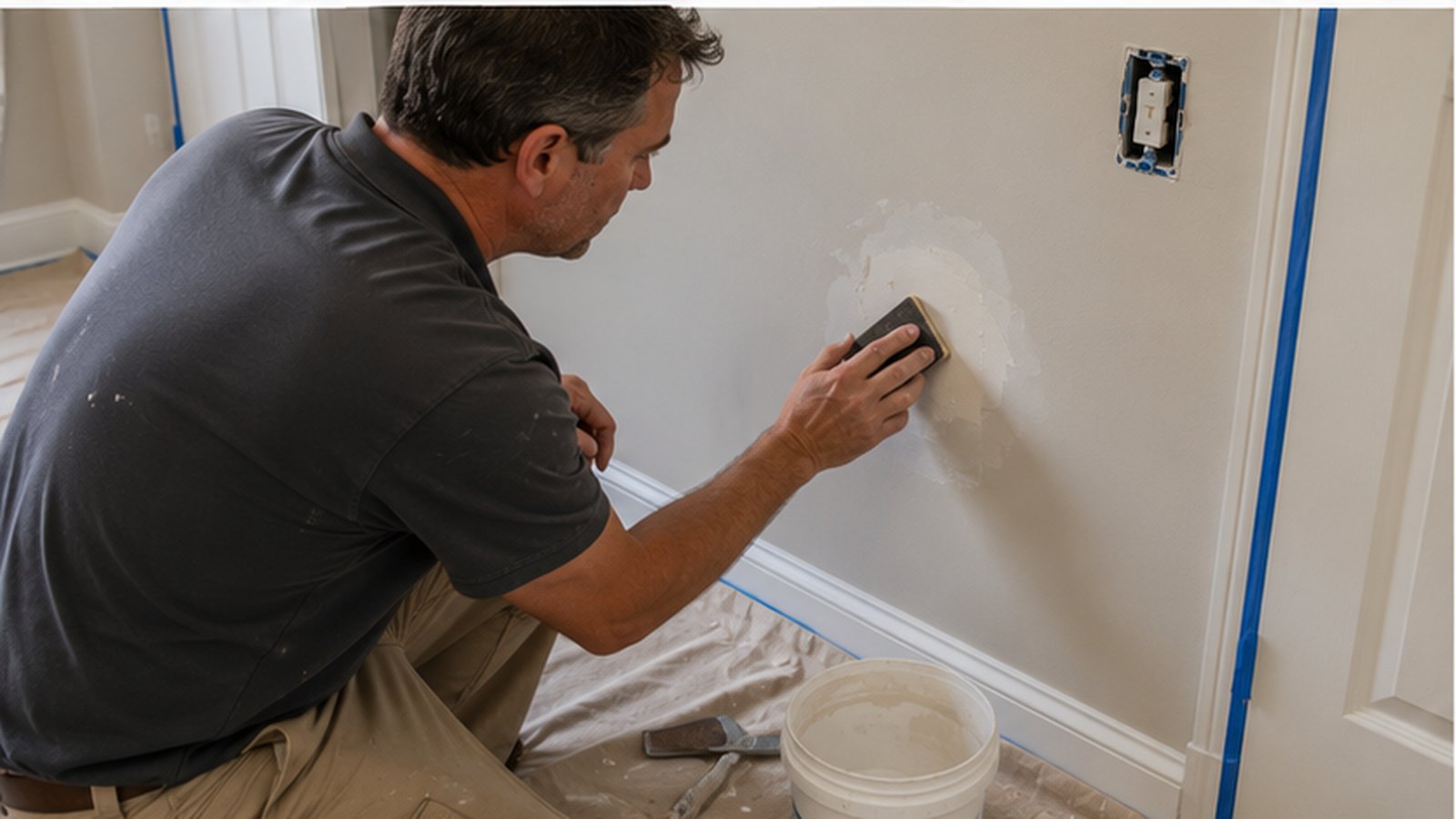
Leave nail holes alone. Your painters will fill and sand them as part of standard prep, and pulling anchors yourself can enlarge the damage.
Move What You Can
Small and fragile items should come out entirely, including lamps, electronics, plants, books, decorative pieces and anything on top of dressers. Empty bookshelves if they are staying in the room.
Large furniture can usually stay, moved to the center of the room and covered. Most crews handle that, but confirm in advance who is responsible, especially for heavy or delicate pieces.
Handle Electronics and Wall-Mounted TVs
Mounted televisions should be taken down when the wall behind them is being painted. If a piece is complicated to remove or reinstall, say so before the estimate is finalized so it can be planned for, since these details also affect what drives the price of an interior project.
Deal With Window Treatments
Blinds, shades and rods come off. Painting around them produces poor cut lines and risks getting the coating on fabric that will not clean.
Empty and Open Closets
If closet interiors are in scope, they need to be cleared like any other room. If they are not being painted, clearing the doorway still helps, since closets often become handy staging space.
Whole-Home Preparation
Flooring and Pathways
Vacuum before the crew arrives. Dust and grit on the floor get tracked around and can end up in a wet finish.
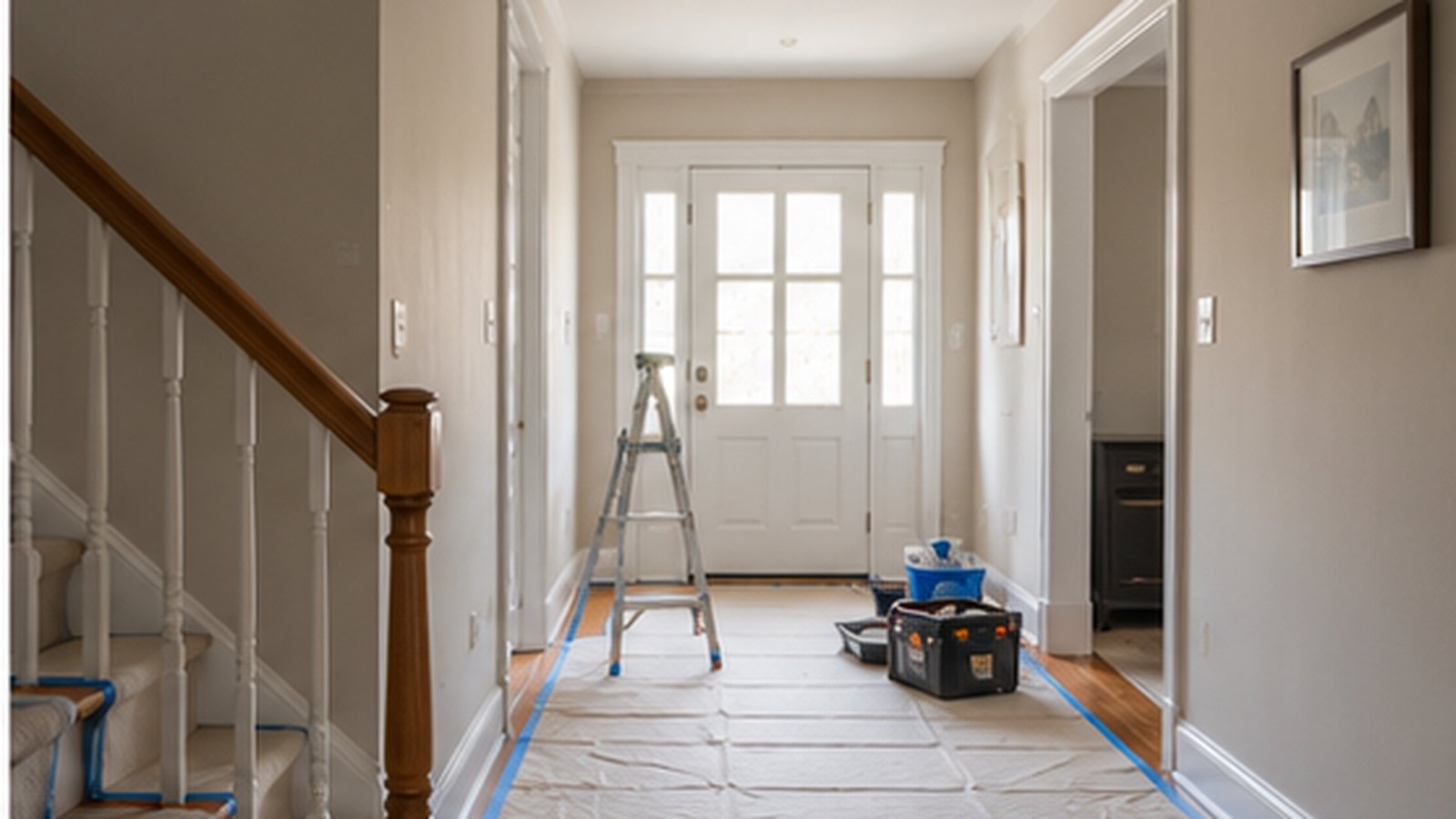
Clear a walking path from the entry to the work area, and move anything fragile out of that corridor. Carpeted stairs and tight hallways are the most common places where damage happens during a move-in.
Pets and Children
Plan for pets to be closed off in a separate room or out of the house on work days. Doors get propped open, ladders get left standing and wet coatings are at nose height.
Let your crew know if there is a pet in the home even if it will be contained, so nobody opens the wrong door.
Ventilation and Temperature
Interior painting goes better with steady airflow and comfortable indoor temperatures. Cracking windows helps in mild weather, and keeping the heat at a normal setting in winter helps coatings level and cure properly.
Avoid running fans directly on freshly painted surfaces, which can cause uneven drying.
Parking and Entry
If you are on a narrow street in Old Forge or an older Scranton neighborhood with limited on-street parking, mention it ahead of time. A crew that has to carry equipment an extra block loses working time.
What Your Painters Should Handle
You are not expected to do prep work. A professional interior painting crew normally takes care of:
- Masking trim, floors, fixtures and adjacent surfaces
- Removing switch plates and outlet covers
- Filling nail holes, patching small damage and sanding
- Caulking gaps at trim and priming stains or repairs
- Protecting furniture left in the room
- Cleaning up daily and reinstalling plates at the end
If something on that list is excluded from your quote, that is worth clarifying before work starts.
A Simple Day-Before Checklist
- Remove all wall hangings, curtains and rods.
- Clear surfaces of small, fragile and valuable items.
- Empty bookshelves and any closets included in the scope.
- Take down wall-mounted electronics or arrange for it.
- Vacuum floors and clear the entry pathway.
- Set aside a room for pets and confirm the plan.
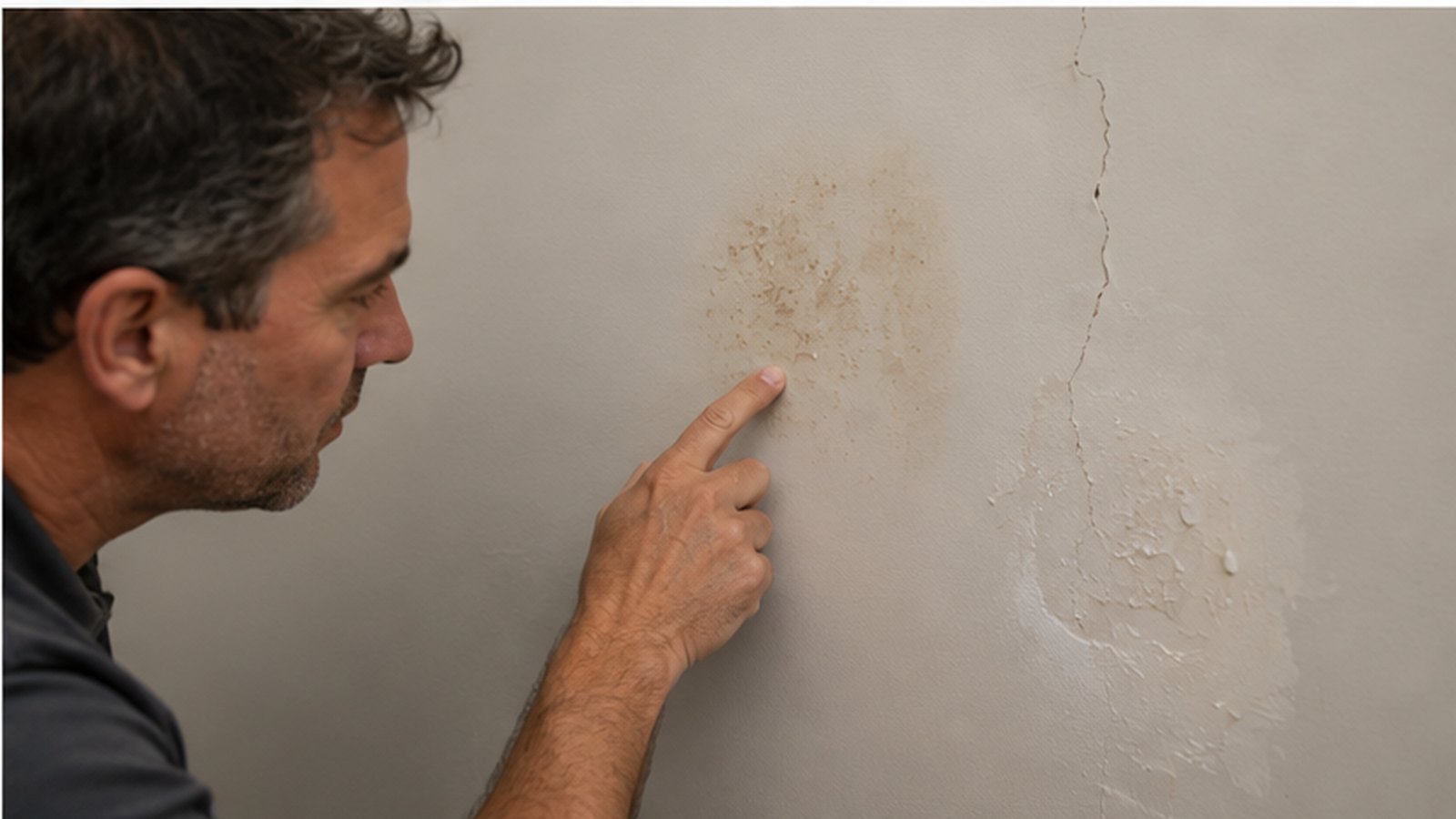
- Note the areas you want reviewed with the crew, such as stains, cracks and previous repairs.
- Confirm arrival time, parking and access.
Small Things Worth Mentioning Up Front
Point out any wall that has been repaired before, any recurring stain, and any spot where paint has bubbled or peeled. These often signal moisture rather than a paint failure, and identifying the source first avoids repainting the same area twice.
Also mention if a room has been painted with an unknown or very old coating, or if you know a surface has been wallpapered in the past. Both change how a wall should be primed.
Wrapping Up
Preparing for interior painting comes down to clearing the walls, protecting what you value, opening up access and communicating the details only you know about your house. None of it is difficult, and all of it shortens the project and reduces risk.
Once the rooms are ready, the crew can focus on the parts that need real skill: clean lines, even coverage and a finish that holds up.
"An hour of clearing the night before often saves more time on the job than any shortcut a crew could take during it."
Advanced Painting Professionals
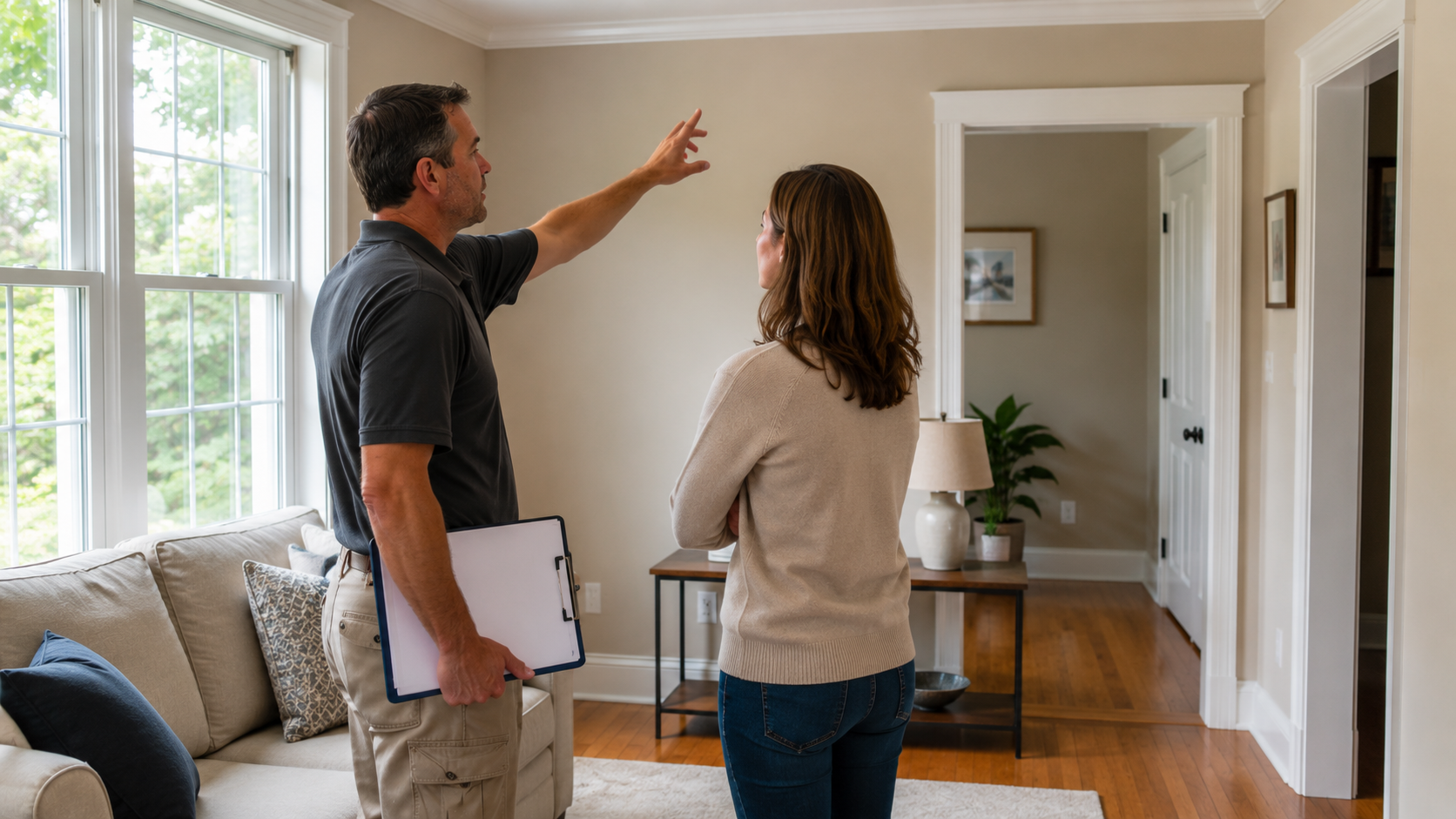
Advanced Painting Professionals will walk your rooms, explain exactly what we handle versus what helps to have cleared, and set a schedule that works around your household. Reach us at (570) 290-8471 or book a visit through advancedpaintingprofessionals.com. Proudly serving Old Forge, PA and Northeast Pennsylvania.
Need help with your painting project?
We walk your rooms and set a schedule that works around your household.
Frequently Asked Questions
Do I need to be home while the painting is done?
Not necessarily. Many homeowners arrange access and check in at the end of each day. Agree in advance on entry, locking up and how to reach you with questions.
How long before I can put furniture back against the wall?
Paint is dry to the touch long before it is fully cured. As a general rule, keep furniture slightly off freshly painted walls for several days, and check the product's cure guidance for high-use surfaces.
Can I stay in the house during an interior painting project?
Usually yes. Low-odor waterborne paints make living in the home practical, though you may want to sleep elsewhere the night a bedroom is coated if anyone in the household is sensitive to odors.
Should I wash the walls before the crew arrives?
It is not required, but greasy kitchen walls and heavy smoke residue do need cleaning. Tell your painters if that applies so degreasing and a bonding primer can be planned into the work.
Advanced Painting Professionals
Book a visit and we will walk your rooms
We explain exactly what we handle versus what helps to have cleared, so you know what to do before the first drop cloth comes out.
Proudly serving Old Forge, PA and Northeast Pennsylvania.
